Are guided tours worth it? Costs, benefits, and when they make sense
If you are deciding whether to book a guided tour or plan a trip independently, the answer depends on three main factors: how much time you have, how comfortable you are planning logistics, and how important expert insight is for your destination.
Guided tours typically cost more upfront, but they save time, reduce planning stress, and often include transportation, accommodations, and curated experiences. Independent travel is usually cheaper and more flexible but requires significantly more coordination.
Quick comparison: guided tours vs independent travel
| Factor | Guided tours | Independent travel |
|---|---|---|
| Planning required | Very low | High |
| Upfront cost | Higher package price | Usually cheaper initially |
| Local expertise | Included guide and curated info | Self research required |
| Transportation logistics | Organized for you | Must arrange yourself |
| Flexibility | Moderate to limited | Very high |
| Social experience | Built-in group interaction | Mostly solo unless arranged |
| Risk of delays or mistakes | Lower | Higher |
Bottom line: Guided tours are usually worth it for complex destinations, short trips, first-time travelers, or anyone prioritizing convenience over full flexibility.
What makes guided tours worth the cost
Convenience and simplified planning
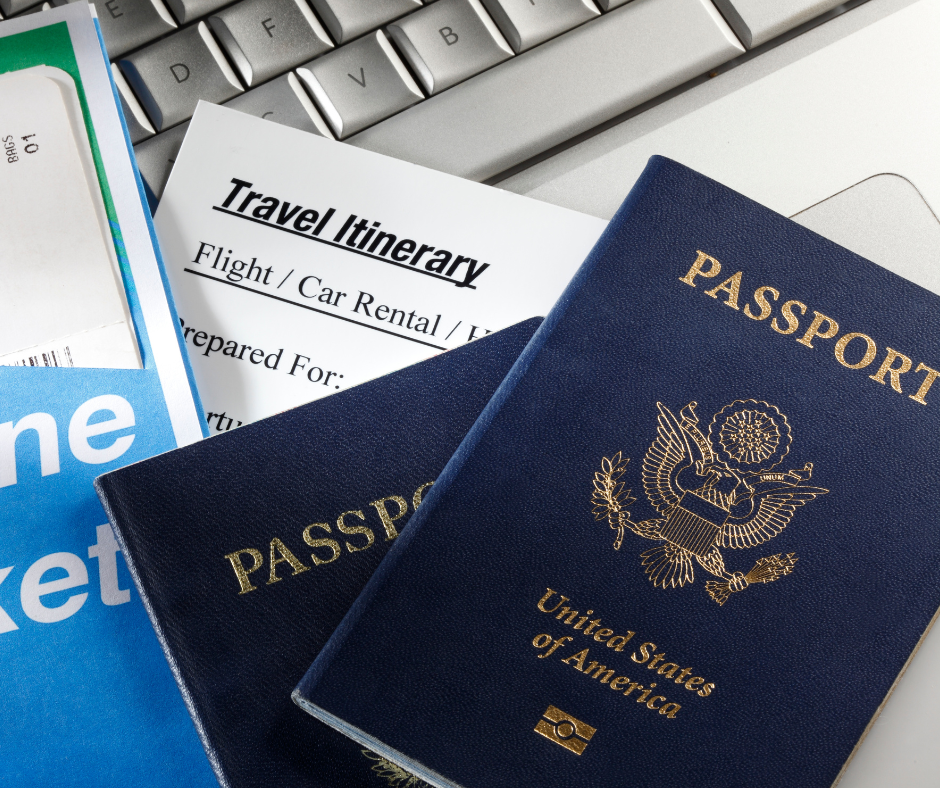
One of the biggest advantages of guided tours is that the itinerary, transportation, accommodation, and often meals are handled by the tour operator.
Instead of coordinating hotels, tickets, transfers, and schedules individually, travelers receive a structured plan designed to maximize each day. This reduces the risk of missed bookings, scheduling conflicts, or inefficient routes.
For travelers who want a predictable schedule and minimal planning workload, this convenience alone often justifies the price difference.
Expert local knowledge and cultural context
Guided tours usually include local experts who provide historical background, cultural interpretation, and practical insights that are difficult to replicate through independent research.
These guides often:
- Explain historical context behind landmarks
- Help navigate cultural etiquette
- Recommend authentic local experiences
- Provide insider access to locations or timing strategies
This added depth can turn a sightseeing trip into a more educational and immersive experience.
Built-in safety and travel support
Traveling in unfamiliar locations introduces risks such as transportation confusion, language barriers, or emergency situations.
Guided tours reduce these risks by providing:
- structured daily schedules
- local support teams
- clear communication channels
- pre-planned routes and vetted accommodations
This safety factor is particularly valuable for solo travelers, seniors, and travelers visiting destinations with complex infrastructure.
Social opportunities and group experiences

Guided tours naturally create a shared environment with travelers who have similar interests and schedules.
This often leads to:
- easier social interaction
- shared group meals and excursions
- built-in travel companions
- reduced isolation for solo travelers
For many participants, this social element becomes one of the most memorable parts of the trip.
Access to experiences independent travelers often miss
Many guided tours include curated access to experiences that are harder to arrange independently.
These may include:
- private site access or timed entry windows
- local artisan visits
- expert-led workshops
- region-specific cultural demonstrations
Because tour companies operate at scale and maintain local partnerships, they can often secure access that individuals cannot easily book themselves.
Did you know that you can get from Manhattan to JFK in under 5 minutes without driving?
Blade offers seamless helicopter transfers from our West 30th Street Lounge in Manhattan to JFK Airport in just 5 minutes from $195 per seat.
Skip the traffic and ditch the stress with Blade's year-round airport service.

Are guided tours good value for money?
Guided tours typically bundle multiple expenses into one package price.
Included items commonly cover:
- hotels
- transportation between destinations
- guided excursions
- some meals
- attraction tickets
While the total package may appear more expensive upfront, independent travelers often underestimate cumulative costs such as transport errors, inefficient routing, or last-minute booking price increases.
However, budget travelers who are comfortable planning logistics themselves can often complete similar trips for less money.
How guided tours improve time efficiency
Time efficiency is one of the strongest arguments for guided tours.
Operators design routes to minimize:
- unnecessary transit backtracking
- waiting in long ticket queues
- confusion navigating unfamiliar transport systems
This is particularly important for travelers with limited vacation days who want to maximize sightseeing rather than spend time planning logistics during the trip.
Hidden costs to check before booking a guided tour
Before choosing a guided tour, travelers should review what is not included.
Common extra expenses may include:
- optional excursions
- personal meals
- guide and driver tips
- travel insurance
- airport transfers
Understanding these exclusions helps determine the real total cost and prevents unexpected expenses.
When a guided tour is the best travel choice
Guided tours tend to be the strongest option when:
- visiting culturally complex destinations
- traveling in regions with language barriers
- managing tight vacation timelines
- traveling solo but wanting built-in social interaction
- exploring remote locations with limited transport
In these scenarios, guided logistics significantly improve the overall travel experience.
Flexibility considerations with guided tours
A common concern is that guided tours reduce freedom.
While itineraries are structured, many modern tours include scheduled free periods for personal exploration.
Some tours focus on fast-paced sightseeing, while others intentionally build in slower days or optional activities. Reviewing the daily schedule before booking helps ensure the tour matches your preferred travel pace.
Transportation stress: a major factor travelers overlook
Transportation mistakes are one of the most common causes of travel disruption, especially when flights, transfers, or fixed tour departures are involved.
Missing a departure due to traffic delays can affect the entire itinerary.
Fast airport transfers when starting or ending a tour in New York
If your guided tour begins or ends in New York City, airport timing becomes especially important because road traffic between Manhattan and major airports can be unpredictable.
BLADE operates scheduled helicopter transfers between Manhattan and:
- JFK Airport
- Newark Airport
Flights typically take only a few minutes and operate from the West 30th Street Manhattan heliport lounge. Because flights avoid road congestion entirely, they provide a predictable transfer option when catching a departure tied to a fixed tour schedule.
For travelers beginning international tours or returning on tight timelines, a time-reliable airport transfer can reduce the risk of missing scheduled departures.
Environmental impact of guided tours
Many tour operators now integrate sustainability initiatives such as:
- carbon offset programs
- partnerships with conservation organizations
- eco-friendly transport strategies
- locally sourced accommodations
Guides also often educate participants about responsible tourism practices, helping travelers reduce environmental impact during their trips.
Are guided tours suitable for every travel style?
Guided tours work best for travelers who prefer:
- structured schedules
- reduced logistical responsibility
- built-in expert interpretation
- predictable daily plans
Independent travel may be better suited for travelers who prioritize:
- spontaneous itinerary changes
- slower personal pacing
- ultra-budget travel strategies
- niche personal interests
Choosing the right format depends primarily on how much control versus convenience you want.
Final verdict: are guided tours worth it?
Guided tours are worth the cost for travelers who value convenience, efficiency, expert insight, and structured logistics. They reduce planning stress, minimize travel risk, and often provide deeper cultural access than independent travel.
Independent travel may still be preferable for experienced travelers seeking maximum flexibility or lower costs.
Ultimately, the best choice depends on whether your priority is control or simplicity.
FAQ
Do guided tours usually include free time?
Yes. Many tours schedule dedicated personal exploration periods alongside guided activities.
Are guided tours more expensive than planning yourself?
Often yes upfront, but the bundled services and time savings can balance the difference.
Are guided tours safer for solo travelers?
Yes. Structured itineraries and local support systems generally reduce travel risk.
Can guided tours still allow personal exploration?
Most modern tours combine scheduled excursions with optional or free periods.
Disclaimer: This article is for informational purposes only. Travel conditions, pricing, and service availability may change. Always confirm details with providers before booking.